July 30, 2026
The environmental footprint of flooring extends far beyond the manufacturing plant. Every step of a floor covering's life cycle, from material selection to eventual disposal, plays a critical role in global sustainability efforts. A frequently overlooked phase in this cycle is the setup stage, where strategic decisions determine how much material is wasted and whether the old flooring can be successfully recovered. By focusing on how careful planning of carpet installations can minimize excess materials and facilitate recycling, the flooring industry is making significant strides toward a circular economy.
Historically, the end-of-life phase for floor coverings was straightforward: old materials were ripped up and sent directly to landfills. However, emerging technologies and shifting corporate responsibilities are rewriting this narrative. Understanding the link between initial setup choices and long-term recyclability allows consumers and project managers to make environmentally responsible decisions. Through optimized sourcing, efficient installation practices, and robust recycling networks, the industry can significantly mitigate its environmental footprint.
Selecting Sustainable Carpet Materials
Carpets are constructed from a wide array of fibers, each carrying a unique environmental profile. Natural fibers like wool and cotton are inherently biodegradable, but their cultivation and processing can be resource-intensive. On the other hand, synthetic fibers such as nylon, polyester, and olefin dominate the commercial market due to their superior durability and stain resistance. Unfortunately, these synthetic options present complex recycling challenges because they are derived from petroleum-based polymers that do not degrade easily in municipal landfills.
To address these challenges, manufacturers are increasingly developing eco-friendly product lines. Many modern options utilize post-consumer recycled content, such as reclaimed fishing nets or plastic bottles, which reduces the demand for virgin petrochemicals. Innovations in bio-based synthetic fibers are also gaining ground, offering the performance of traditional polymers with a lower carbon footprint. These material advancements ensure that when a product finally reaches the end of its functional life, its components can be separated and reprocessed more efficiently.
According to the Carpet and Rug Institute, CARE members recycled 155 million pounds of carpet, demonstrating that recovery programs are viable when materials are selected with end-of-life recycling in mind. Sourcing products designed for disassembly makes it easier for processing facilities to reclaim valuable polymers. Consequently, the initial choice of material directly dictates how much of the discarded flooring can be diverted from landfills and successfully reintroduced into the manufacturing pipeline.
Implementing Eco-Friendly Installation Methods
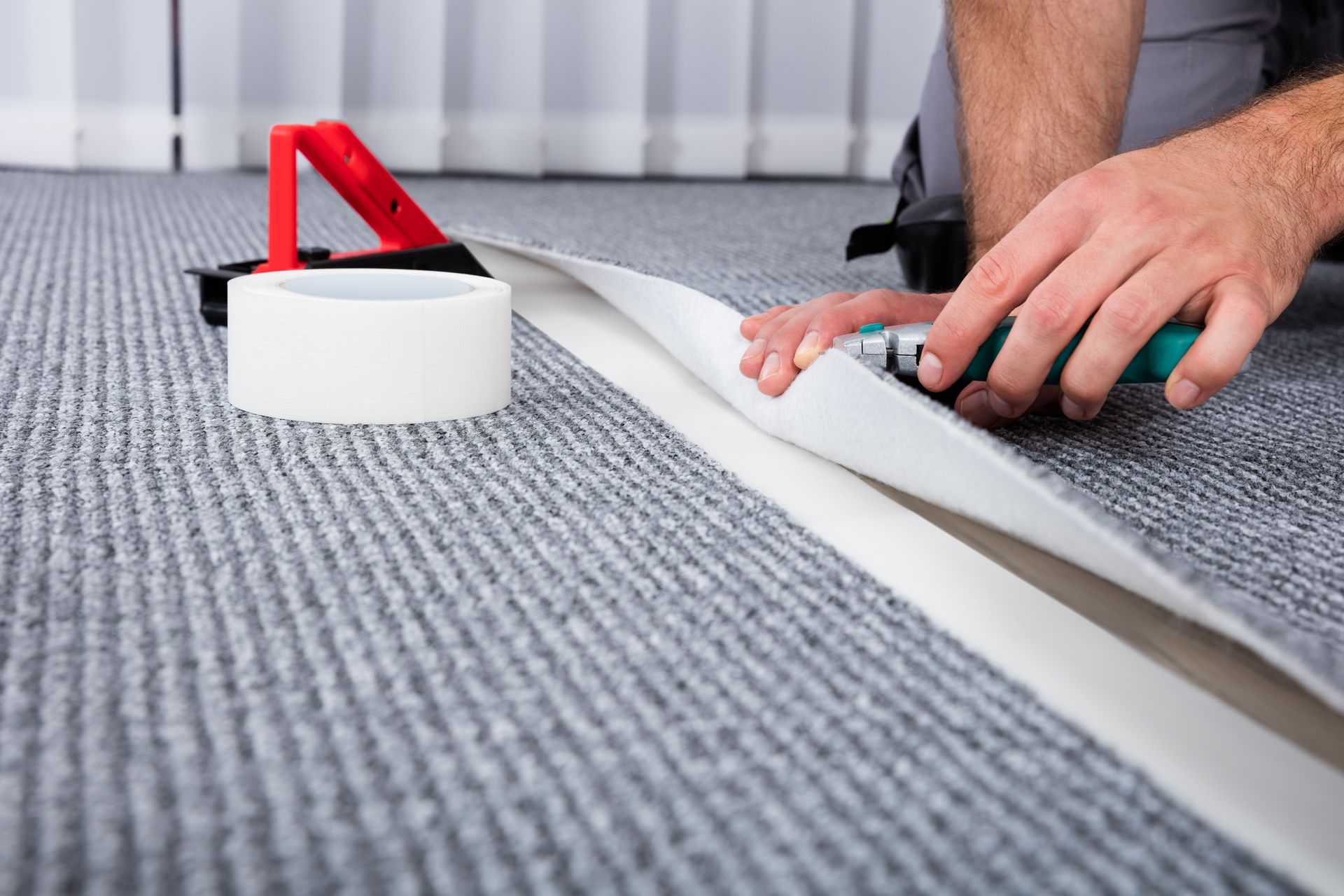
Traditional setup techniques often rely heavily on resource-intensive practices that generate unnecessary waste. Standard procedures frequently require tack strips, staples, and heavy adhesives, which can contaminate the backing of the carpet and make future recycling nearly impossible. Furthermore, imprecise physical measurements often lead to excessive cutting and large volumes of unused scraps. Transitioning to modern, sustainable methods is essential for reducing this initial wave of installation-related waste.
Adhesives are a primary concern when evaluating environmental safety and recyclability. Conventional petroleum-based glues release high levels of volatile organic compounds (VOCs), which compromise indoor air quality and pose health risks. Fortunately, the industry is shifting toward low-VOC, water-based adhesives and dry adhesive tapes. These alternatives secure the floor covering effectively while allowing for cleaner removal, ensuring the backing remains free of heavy chemical residues that would otherwise ruin recycling machinery.
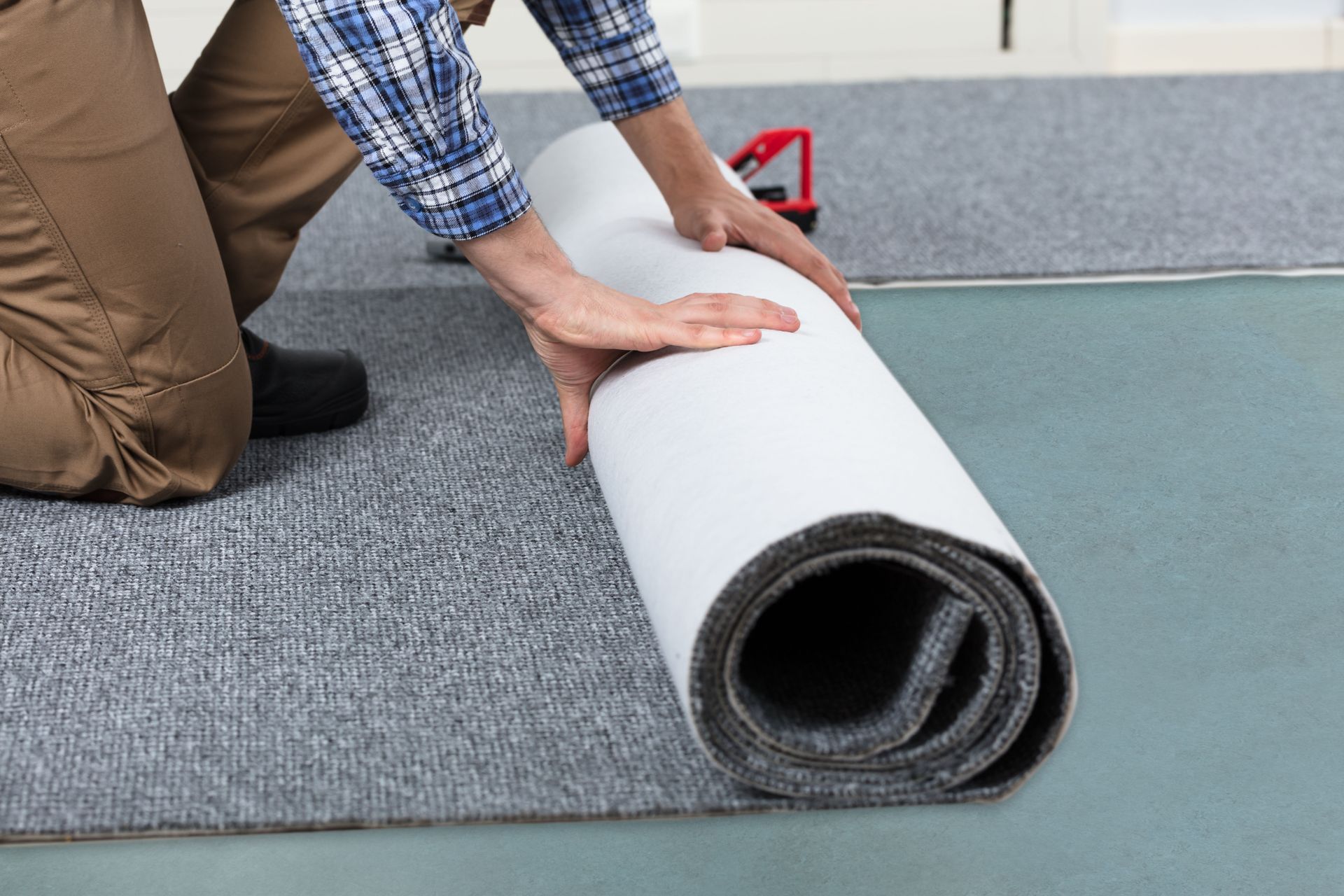
Planning sustainable carpet installations involves choosing modular configurations, such as carpet tiles, which represent a major advancement in waste reduction. Unlike broadloom rolls, modular tiles allow installers to replace only the damaged or worn sections of a room rather than the entire floor. This targeted maintenance drastically extends the overall lifespan of the system, conserves raw materials, and reduces the volume of municipal waste generated over time.
Partnering With Professional Installation Teams
Professional installation companies are pivotal in bridging the gap between sustainable manufacturing and effective waste diversion. When technicians are thoroughly trained in eco-friendly layout strategies, they can optimize material cuts to minimize scrap generation. Well-trained crews also understand how to handle and sort discarded materials on-site, ensuring that recyclable backing and face fibers are kept clean and free from construction debris.
Many forward-thinking service providers establish direct partnerships with regional recycling organizations and reclamation networks. These collaborations enable crews to transport post-consumer waste directly to specialized processing facilities rather than dumping it into commercial roll-offs. By integrating collection logistics directly into their daily operations, professional crews make it incredibly simple for residential and commercial property owners to participate in reclamation programs.
Additionally, public education and community engagement remain vital components of an installer's environmental strategy. When companies actively inform clients about the recyclability of their chosen materials, they foster a culture of ecological responsibility. By explaining how professional carpet installations are executed with waste-reduction goals in mind, service providers empower consumers to choose long-term sustainability over convenience.
Managing the Complete Carpet Lifecycle
True sustainability requires looking beyond the initial setup to evaluate the entire lifecycle of a product. Comprehensive lifecycle assessments help manufacturers and installers pinpoint exactly where resources are lost and where carbon emissions peak. By analyzing every stage, from raw material extraction to transport, setup, maintenance, and disposal, the industry can refine its practices to create a truly closed-loop system.
End-of-life management strategies rely heavily on robust take-back programs sponsored by manufacturers and retail alliances. When old flooring is reclaimed, it undergoes mechanical or chemical reprocessing to break the fibers down into their base monomers. These reclaimed polymers can then be pelletized and spun into brand-new yarn, creating a continuous loop that avoids the extraction of fossil fuels and drastically reduces landfill reliance.
Despite these technological advancements, closing the loop entirely presents persistent economic and logistical challenges. Transporting bulky, heavy rolls to specialized recycling plants can be costly, and sorting multi-material blends remains technically complex. Overcoming these hurdles requires continuous research, industry-wide standardization, and consumer cooperation to ensure that future carpet installations feed into reliable, cost-effective circular systems.
Evaluating Economic and Environmental Outcomes
Prioritizing waste reduction and recycling yields substantial economic and environmental dividends. For businesses, reducing raw material consumption and minimizing landfill tipping fees can translate into lower operational costs and improved profit margins. Furthermore, companies that adopt green practices can leverage certifications and sustainable branding to attract environmentally conscious clients, securing a competitive advantage in a crowded marketplace.
From an environmental standpoint, diverting synthetic fibers from landfills significantly lowers greenhouse gas emissions. Manufacturing new polymers from recycled materials requires far less energy than refining virgin petrochemicals, resulting in a drastically reduced carbon footprint. Additionally, keeping bulky materials out of local landfills preserves valuable municipal space and prevents long-term soil and water contamination from slowly degrading synthetics.
Ultimately, the long-term benefits of modern carpet installations extend to the broader waste management infrastructure. When installation crews, manufacturers, and recycling organizations work in unison, they alleviate the burden on public waste management services. This collaborative effort helps build cleaner, more resilient communities while proving that high-performance flooring and environmental stewardship can easily coexist.
Optimizing materials, adopting cleaner adhesives, and partnering with dedicated recovery networks are all essential steps in reducing the environmental impact of modern flooring. By viewing the setup phase as the gateway to future reclamation, the industry can successfully divert millions of pounds of waste from landfills. For more information about the services that we offer, reach out to our incredible team at Carpet King and Flooring today!