July 9, 2026
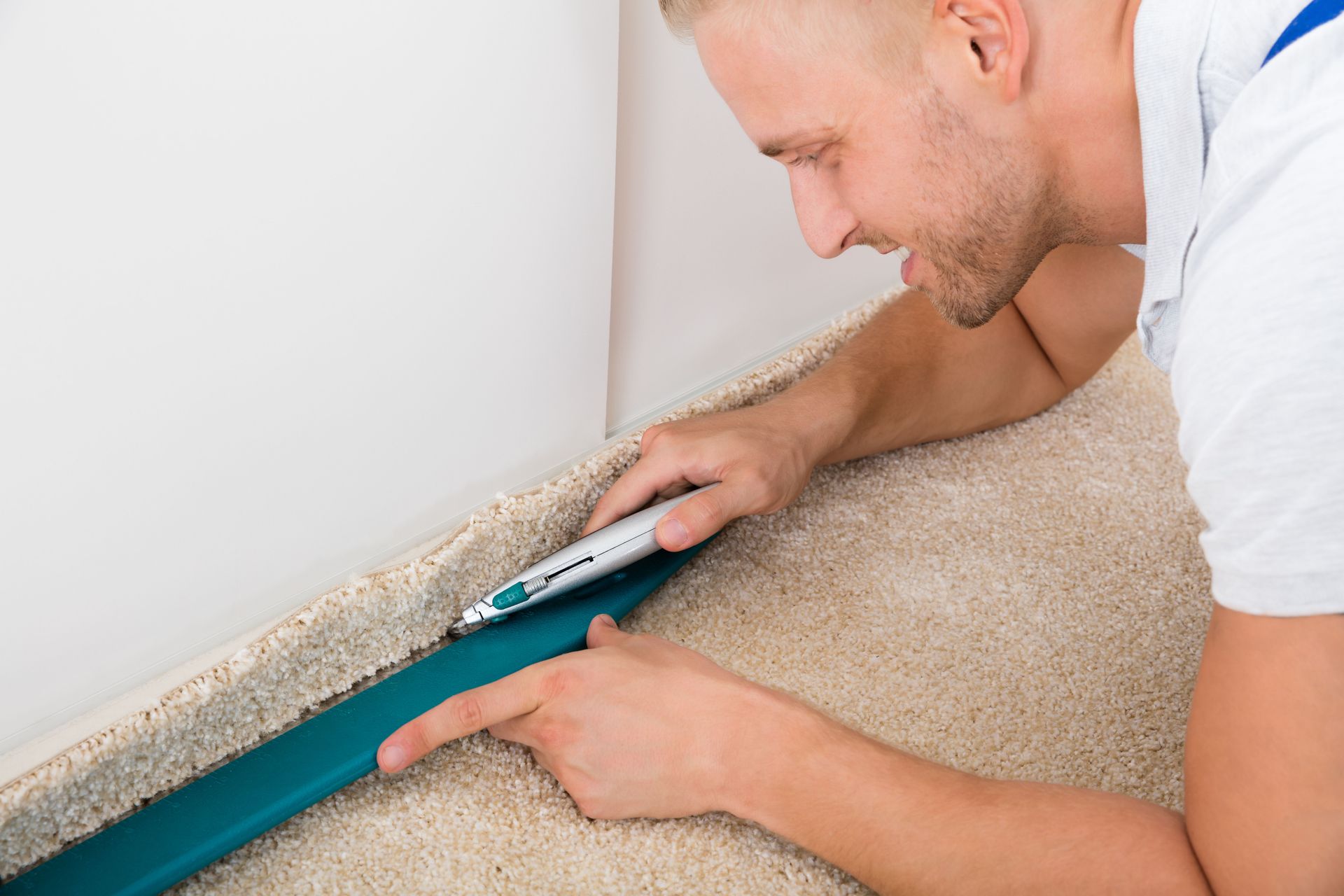
Choosing new flooring is rarely a simple design decision. In many cases, it is prompted by changes in comfort, appearance, and overall performance that become difficult to ignore over time. A professional evaluation from a carpet installer can reveal whether your current carpet is still supporting the needs of your space or if a full replacement is the more practical path forward. Careful inspection often highlights issues that are easy to overlook during daily use, especially when deterioration happens gradually rather than all at once. In many homes, these concerns build slowly enough that they are normalized until a deeper assessment brings them into focus.
Over time, even high-quality carpeting can begin to show signs of fatigue that go beyond surface appearance. What once felt soft and supportive may start to feel uneven or compacted, and these subtle changes can influence how a room is experienced. In many cases, homeowners delay replacement because the issues seem minor at first, but small declines in performance often compound into larger concerns that affect comfort, hygiene, and design cohesion. As these effects accumulate, they can also begin to influence how frequently spaces are used and how inviting they feel overall.
Recognizing When Carpeting Has Reached Its Limit
Visible Wear and Structural Breakdown
A carpet installer is often the first to notice when surface wear has progressed beyond cosmetic concern. Flattened fibers, fraying edges, and visible matting usually indicate that the backing and pile structure are no longer performing as intended. When these issues spread across multiple areas of a room, spot repairs tend to be ineffective. Over time, the material loses its ability to bounce back, signaling that replacement may be more practical than continued patchwork fixes.
In many cases, wear patterns also begin to reflect furniture placement and walking paths more sharply, which can make the entire space feel aged and inconsistent. As these patterns deepen, they can also affect how light reflects across the surface, subtly altering the room's overall brightness. In some cases, even color fading becomes noticeable, especially in sun-exposed areas. These combined visual shifts often signal a broader decline in material integrity.
Persistent Odors and Embedded Contaminants
Odor retention is another strong indicator that carpeting has reached the end of its useful life. Even with routine cleaning, older carpets can trap residues that continue to affect indoor freshness. A carpet installer frequently evaluates whether odors stem from surface issues or deeper absorption into the padding and fibers. When contamination becomes embedded, replacement is often the most reliable way to fully restore a clean and neutral environment.
Lingering smells can also become more noticeable in humid conditions, which further signals that internal buildup has reached a point where standard treatments are no longer effective. Over time, repeated cleaning attempts may only mask the issue temporarily rather than resolve it. In some homes, odors may even intensify after steam cleaning due to trapped moisture, reinforcing the need for replacement rather than continued treatment.
Changing Performance in High Traffic Areas
High-traffic zones such as hallways and living rooms typically show deterioration first. When carpet fibers no longer recover after compression, it affects both appearance and comfort. A carpet installer may recommend replacement when traffic patterns become permanently visible and the material loses its resilience. In these cases, continued use often results in accelerated wear across adjacent areas, making a broader update more cost-effective.
This kind of decline can also impact how cohesive the flooring looks from room to room, especially in open layouts where transitions are highly visible. As the surface flattens further, even routine vacuuming may fail to restore a consistent texture. Over time, these worn paths can also create slight unevenness underfoot, which affects both comfort and perceived quality.
Identifying Health and Hygiene Concerns
Allergen Accumulation and Indoor Air Quality
Carpeting naturally collects dust, pollen, and other airborne particles over time. When these elements build up, they can affect overall indoor air quality, especially in homes with pets or heavy foot traffic.
Over long periods, particles can settle deeper into the fibers and become more difficult to remove through standard cleaning routines. This gradual accumulation can subtly impact comfort levels in the home and contribute to a less refreshed living environment overall.
Microbial Presence and Deep Contamination
In some cases, contamination extends far beyond what is visible on the surface. According to AOL, microbiologists estimate that average carpeting can contain around 200,000 bacteria per square inch when measured under typical household conditions. This level of buildup illustrates how deeply embedded contaminants can become over time, even in spaces that are regularly maintained.
When microbial accumulation reaches this scale, it often signals that internal layers of the carpet system are no longer responding effectively to cleaning efforts, making replacement a more dependable solution than repeated deep cleaning.
Why Professional Assessment Matters
A trained evaluation helps distinguish between surface-level issues and structural or hygienic deterioration. Experience in flooring assessment allows for a more accurate understanding of whether padding, backing, or fiber systems are still functioning effectively.
This type of review from a carpet installer ensures that decisions are based on long-term performance rather than temporary appearance improvements. It also helps homeowners avoid unnecessary spending on treatments that may only provide short-lived results without addressing deeper concerns within the flooring system.
Considering Design, Functionality, and Long-Term Value
Outdated Styles and Interior Cohesion
Interior design trends evolve, and flooring often plays a central role in how modern a space feels. Many older carpets feature colors or patterns that no longer complement updated furnishings or wall treatments.
When visual elements feel disconnected, the entire room can appear less cohesive, even if the flooring is still structurally intact. Updating carpet in these situations can significantly improve the overall flow of a space and create a more unified interior aesthetic.
Functional Limitations in Modern Living Spaces
As household needs change, older carpeting may no longer provide the level of performance required. Some materials lose their ability to support heavy daily use, while others may no longer offer the comfort or durability expected in active households.
These limitations become more noticeable in shared living spaces where consistent use places greater demand on flooring performance. Over time, this mismatch between material capability and household activity can make replacement a practical consideration.
Guidance From an Experienced Installer
Professional insight from a carpet installer helps ensure that flooring decisions account for both immediate needs and long-term performance. Evaluations often consider how different carpet styles will respond to specific usage patterns, room layouts, and environmental conditions.
This approach helps align material selection with realistic expectations for durability and comfort. It also reduces the likelihood of recurring issues by focusing on solutions designed to perform consistently over time.
Carpet replacement is often the result of multiple factors working together rather than a single visible issue. Wear patterns, hygiene concerns, and design considerations all contribute to the decision-making process. When these elements begin to overlap, consulting a qualified professional can provide clarity on whether repair or replacement is the more effective path. In many cases, a thoughtful evaluation helps ensure that the final choice supports both the function and comfort of the space for years to come, while also helping maintain a cleaner, more consistent, and more comfortable indoor environment. For a qualified carpet installer you can count on to recommend the right solutions for your home, reach out to Carpet King and Flooring!