June 26, 2026
Transforming your interior living spaces with eco-friendly textiles requires a clear roadmap and the right professional guidance. Engaging with an experienced flooring company allows homeowners to sort through countless manufacturing claims to find genuinely green materials. Many modern consumers feel overwhelmed by vague environmental buzzwords, making a targeted list of technical questions essential during your initial showroom visit. By focusing on raw material sourcing, chemical treatments, and product lifecycles, you can make an informed decision that actively protects our planet. This introductory guide highlights critical inquiries to pose to your service provider, ensuring a beautiful, healthy, and low-impact installation.
Assessing Raw Material Sources Thoroughly
Inquiring about the foundational fibers used in manufacturing helps you evaluate the true environmental footprint of your new textile. A reliable flooring company should clearly explain the distinct ecological differences between rapidly renewable organic yarns and recycled synthetic alternatives. You must ask whether their wool varieties come from ethically managed pastures that practice regenerative land management without harsh sheep dips. If you prefer synthetic resilience, verify if the polyester or nylon material originates from post-consumer waste like salvaged ocean fishing nets. Identifying these raw material origins right away ensures your select purchase actively supports responsible global resource conservation.
Verifying Formal Green Certifications Officially
Demanding independent proof of third-party validation prevents you from falling victim to deceptive corporate greenwashing practices in the marketplace. According to the Carpet and Rug Institute, NSF/ANSI 140 is the sustainability assessment for carpet, or the standard by which designers, facility managers, and government purchasers can evaluate and certify its sustainability. You should explicitly ask your chosen flooring company if their inventory carries this specific multi-attribute rating at the silver, gold, or platinum tier. Checking for additional labels like Green Label Plus further guarantees the product meets stringent indoor air quality metrics. Securing these official validations ensures your chosen floor coverings align perfectly with rigorous national environmental benchmarks.
Investigating Chemical Backing Treatments Openly
Uncovering the hidden components located beneath the visible surface fibers is crucial for maintaining an entirely non-toxic home environment. You should ask a knowledgeable flooring company about the specific adhesives and heavy backing materials used during the manufacturing assembly process. Many traditional options rely heavily on polyurethane or polyvinyl chloride compounds that slowly release harmful volatile chemicals into your indoor air. Inquire about advanced alternatives like natural rubber, bio-based polyols, or hot-melt polyolefin backings that eliminate the need for toxic liquid solvents. Choosing cleaner backing assemblies prevents long-term chemical off-gassing, effectively safeguarding the respiratory health of your entire household.
Examining Indoor Air Emissions Critically
Probing deeper into the specific volatile organic compound emissions of your prospective floor covering helps ensure a safe, breathable atmosphere. When interviewing a professional flooring company, you must request detailed data sheets regarding total chemical emission rates during the initial curing phase. Ask if the specific rolls or modular tiles require a lengthy off-site airing-out period before residential delivery. Understanding these emission profiles allows you to plan your installation timeline safely, particularly if young children or sensitive allergy sufferers inhabit the house. Prioritizing low-emission options ensures your home improvement project does not compromise your immediate baseline indoor environmental safety.
Exploring End-of-Life Takeback Programs Actively
Determining what happens to your discarded textiles decades from now is an essential aspect of true circular environmental responsibility. You must ask your local flooring company if they actively participate in structured manufacturer takeback initiatives to prevent landfill waste. Inquire whether the old materials will be broken down mechanically into new face fibers or converted into industrial acoustic insulation. Many leading eco-conscious brands now provide guaranteed recycling certificates, proving your old flooring will bypass regional municipal dump sites entirely. Discussing these reclamation pathways upfront helps close the loop on resource consumption, ensuring a fully sustainable lifecycle.
Questioning Installation Adhesive Methods Intentionally
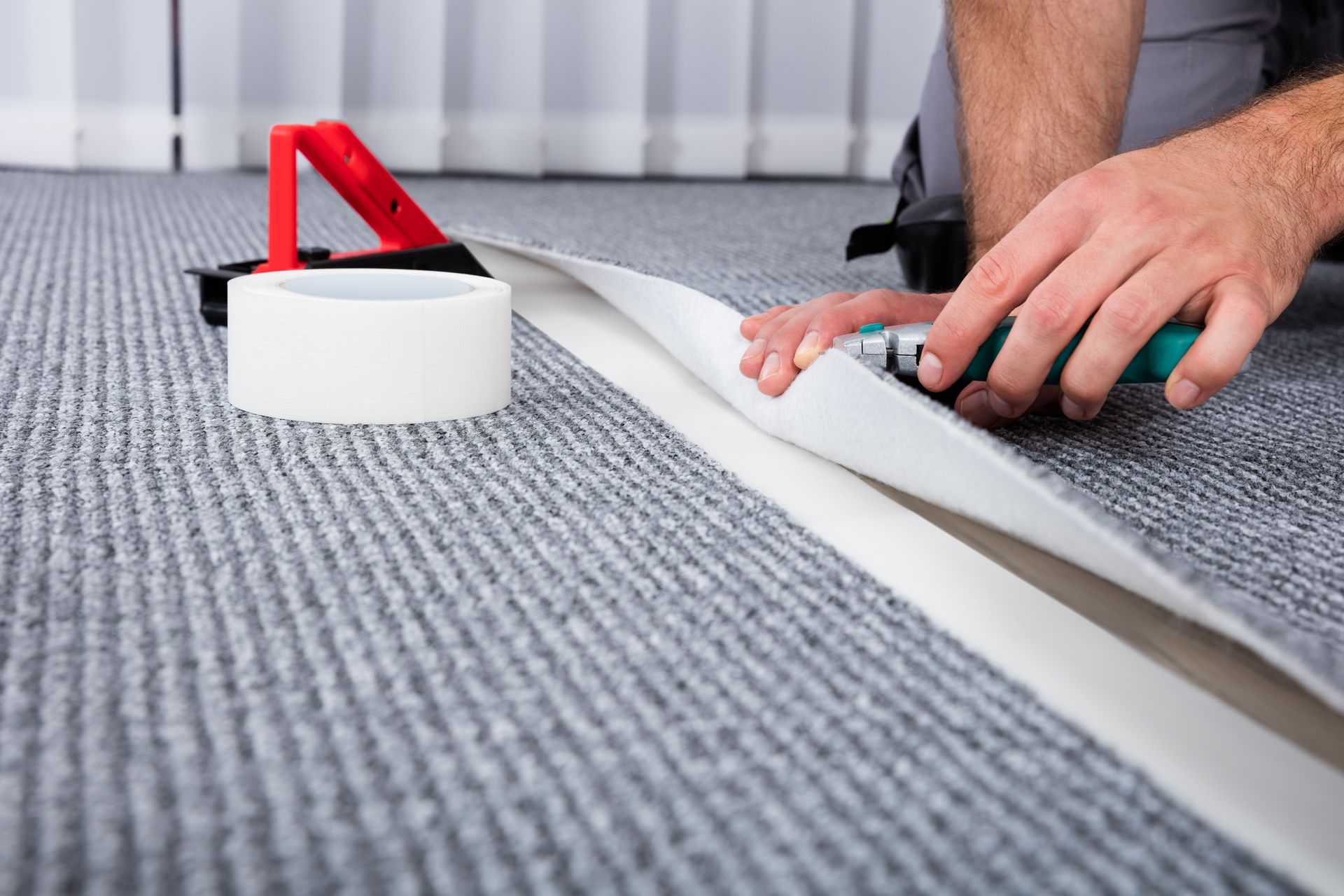
Evaluating the mechanical techniques used to secure your new floor covering to the subfloor protects your home from unnecessary toxins. You should ask your commercial flooring company if they utilize low-VOC liquid glues, specialized odorless tack strips, or floating adhesive-free tile connectors. Utilizing floating hook-and-loop tape systems or interlocking tabs eliminates wet chemical applications, making future removal or localized repairs remarkably simple. These advanced mechanical fastening methods also preserve the underlying subfloor, preventing costly damage if you choose to remodel later. Specifying clean installation techniques ensures the actual setup process remains just as eco-friendly as the textile itself.
Analyzing Manufacturing Carbon Footprints Carefully
Quantifying the total embedded energy used during production helps you compare the climate impacts of various eco-friendly product lines. You must ask your retail flooring service to provide formal Environmental Product Declarations that outline total water usage and carbon dioxide emissions. Inquire if the production facility utilizes 100 percent renewable wind or solar electricity to power their heavy weaving looms. Choosing a manufacturer that aggressively minimizes its industrial energy footprint significantly reduces the collective ecological impact of your home renovation. Assessing these comprehensive supply chain metrics allows you to support forward-thinking brands that champion global climate action.
Inspecting Local Sourcing Advantages Intellectually
Calculating the total shipping distance from the factory floor to your residential doorstep reveals hidden environmental transportation costs. You should ask your regional flooring service whether their sustainable product lines are manufactured domestically or imported from distant overseas facilities. Purchasing goods created within your continent drastically lowers fossil fuel consumption associated with transoceanic freight and cross-country trucking logistics. Local sourcing also ensures the manufacturing process adheres to strict domestic labor laws and rigid environmental waste disposal regulations. Prioritizing regionally produced goods minimizes transport emissions while simultaneously supporting clean manufacturing jobs right here inside our borders.
Determining Long-Term Maintenance Protocols Safely
Understanding the specific cleaning regimens required to preserve your eco-friendly warranty ensures the product remains pristine without toxic chemicals. You must ask your chosen flooring service if the natural fibers require specialized proprietary sealants or intensive professional deep cleaning treatments. Inquire whether routine vacuuming and simple hot water extraction methods are sufficient to maintain the manufacturer's appearance retention rating. Avoiding the use of harsh synthetic shampoo detergents prevents toxic chemical runoff from entering your local community water treatment facilities. Establishing a completely green maintenance routine extends the functional life of your investment while protecting regional aquatic ecosystems.
Measuring Total Product Lifespan Expectancies Realistically
Gauging the long-term durability of green textiles prevents the premature disposal and frequent replacement of poorly constructed materials. You must ask a reputable flooring service about the specific traffic rating and tuft bind strength of your selected model. Inquire if the sustainable fibers resist matting, crushing, and stubborn staining in high-activity zones like hallways and busy living rooms. Choosing a highly durable carpet that lasts twenty years is fundamentally more sustainable than replacing a flimsy alternative every five seasons. Investing in premium structural craftsmanship ensures your environmentally friendly choice delivers outstanding performance while conserving valuable natural resources.
Evaluating Manufacturer Water Preservation Practices Diligently
Scrutinizing how textile mills manage precious liquid resources during the intensive fiber dyeing process is an important ecological consideration. You should ask your flooring service if the suppliers utilize advanced solution-dyeing techniques, which lock color directly into molten polymers. This modern method requires significantly less water and chemical rinsing compared to traditional space-dyeing or bath-dyeing production practices. Inquire if the manufacturing plant actively purifies and recycles its industrial wastewater streams to protect local freshwater tables. Supporting companies that aggressively practice rigorous water stewardship keeps our shared global waterways clean, vibrant, and free from industrial pollution.
Selecting the ideal eco-conscious floor covering requires balancing aesthetic desires, structural performance needs, and strict environmental preservation standards. Partnering throughout this comprehensive process with a transparent, highly knowledgeable flooring service ensures you receive accurate answers regarding complex supply chains. From verifying recognized national third-party certifications to examining complex adhesive installation methods, every single question asked helps protect our fragile global ecosystem. The ultimate reward of this diligent inquiry is a beautiful interior space that promotes excellent indoor air health and long-term durability. Ultimately, maintaining a highly analytical approach ensures your home improvement dollars support sustainable manufacturing innovations that benefit our entire planet. Are you seeking a dependable and reputable flooring company in the Fairfield and Norwalk, CT areas? Look no further than the professionals at Carpet King and Flooring! Call today to learn more about our products and services.